


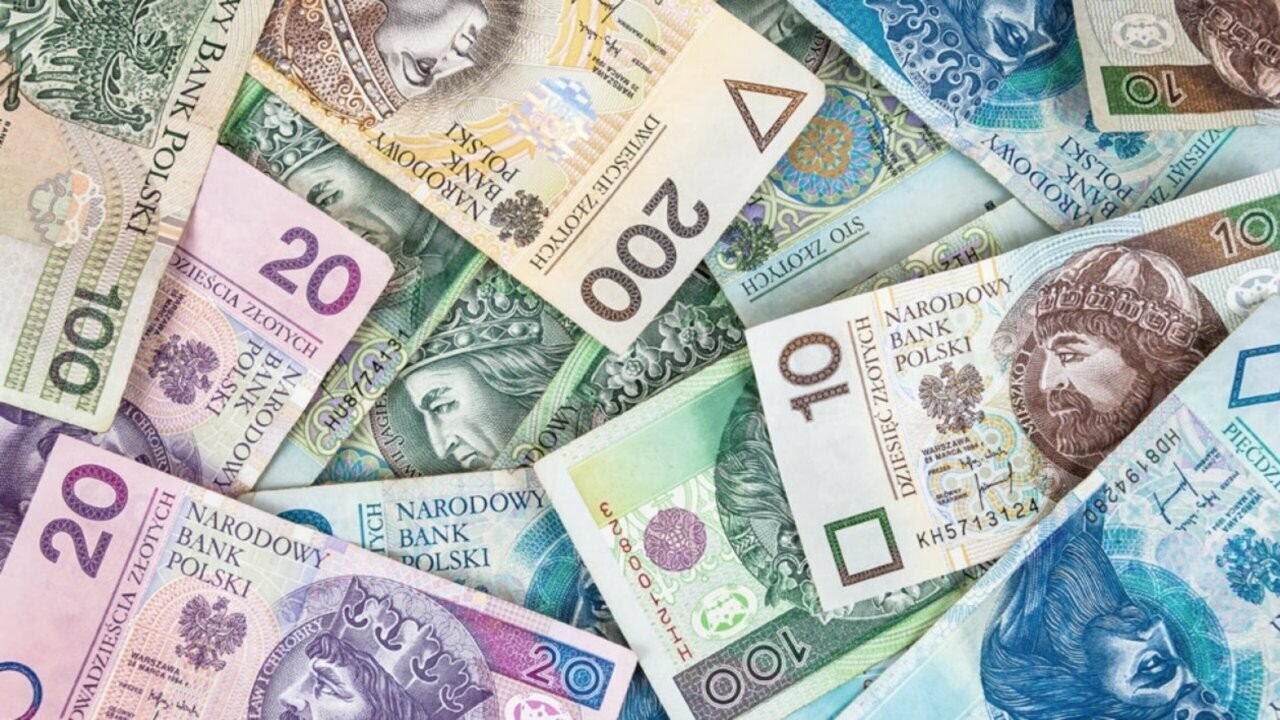
The Polish złoty remains the primary currency used for payments in Poland. Its exchange rate determines the cost of buying and selling euros, US dollars, and other foreign currencies. At the beginning of 2026, the PLN has remained relatively stable, without sharp fluctuations or prolonged declines. As a result, currency exchange in Łódź takes place under more predictable market conditions.
However, “stable” does not mean “unchanging.” The foreign exchange market is dynamic and reacts to economic and political developments every day. For everyday transactions, these fluctuations are usually barely noticeable. When exchanging larger amounts, however, even a difference of a few grosz can have a significant impact on the final amount. That is why it is always advisable to check the current exchange rate immediately before making a transaction instead of relying on rates from several days earlier.
What affects the stability of the Polish złoty?
The stability of any currency rarely depends on a single factor. It is usually the result of several economic processes occurring simultaneously, both within the country and internationally. The Polish złoty is no exception. Its exchange rate is influenced by decisions made by financial authorities, the condition of the economy, and overall sentiment in the global financial markets.
The main factors affecting the PLN include:
- decisions made by the National Bank of Poland;
- the inflation rate in Poland;
- interest rates;
- the overall performance of the Polish economy;
- developments in global financial markets;
- the confidence of foreign investors.
None of these factors determines the exchange rate on its own. Instead, it is their combined effect at any given moment that shapes the value of the złoty. As economic conditions change in Poland and around the world, the importance of each factor changes as well.
What does this mean for currency exchange in Łódź?
When the złoty exchange rate remains relatively stable, it becomes easier to plan expenses related to travel, international shopping, studying abroad, or overseas money transfers. Businesses working with international partners also benefit from greater predictability when estimating future costs.
To better understand why the US dollar and the euro may move at different speeds against the Polish złoty, we recommend reading our article “US Dollar and Euro: The Latest Trends.” It explains the reasons behind these exchange rate movements and offers guidance on choosing the right time to exchange currency.
It is important to remember that a stable PLN does not automatically mean that foreign currencies are equally stable. The US dollar or the euro may experience much larger fluctuations. Therefore, before exchanging money, it is worth monitoring both the performance of the Polish złoty and the foreign currency you plan to buy or sell.
If your currency exchange is not urgent, it is worth monitoring exchange rates for a few days instead of making a decision based on short-term market movements. At Kantor White Money in Łódź, you can exchange Polish złoty for the world’s major currencies at current exchange rates. Before your visit, we recommend checking the latest rates to ensure you receive the most favorable exchange conditions.